

Rohingya Survivor Testimony Exposes Arakan Army, Linked Human Trafficking, Rape, and Mass Deaths from Rakhine to Thailand.
- Rohingya Culture advocacy Cent
- Dec 28, 2025
- 4 min read
By Rohingya Political Journalist Saiful Arakani.
Canada London Ontario.
A Rohingya survivor, Mohammed Younus (25), has given a detailed testimony describing severe human rights abuses, human trafficking, sexual violence, and mass deaths allegedly committed by human traffickers linked to the Arakan Army (AA) in Tha Mee Hla village, Rathedaung Township, Rakhine State, and along trafficking routes through Myanmar and Thailand between 2021 and 2022.
Fleeing Genocide, Facing New Persecution
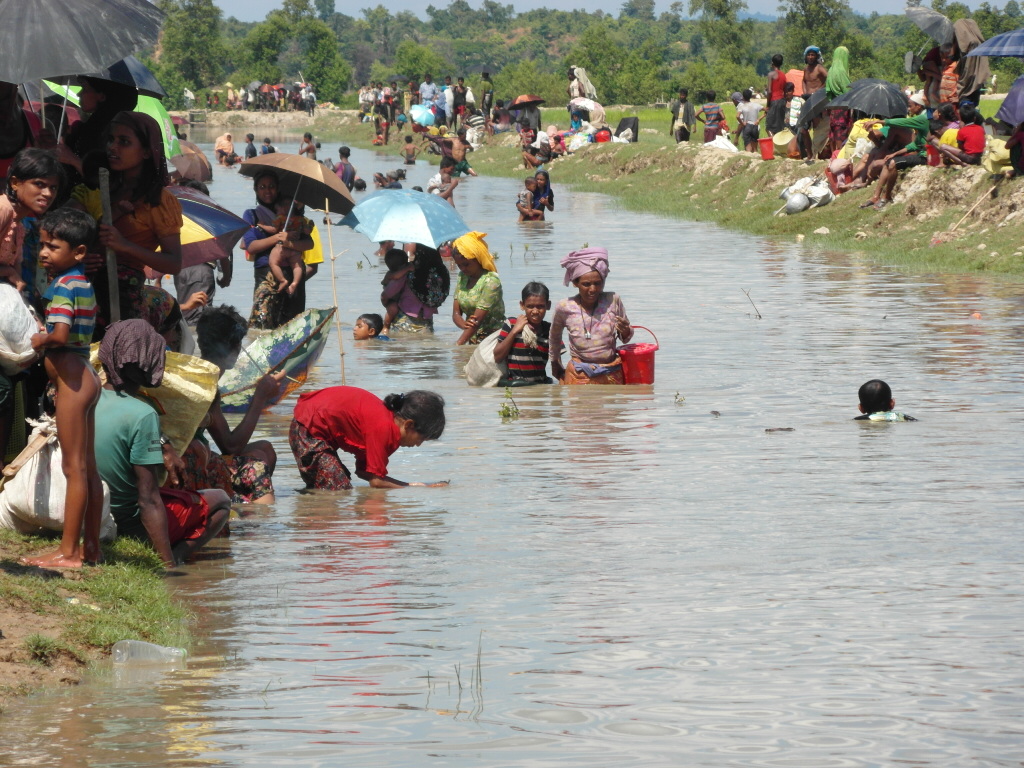
Mohammed Younus said he fled Myanmar to Bangladesh in 2017 to escape the genocide carried out by the Myanmar military against the Rohingya people. Like hundreds of thousands of others, he sought safety in refugee camps in Bangladesh. However, he stated that life there was also unsafe.

Arakan Army members promised Mamun Mia that they would take his daughter safely to Malaysia, but instead, after taking her to Tha Mee Hla, she was raped by members of the Arakan Army on 29 October 2021.
“I fled Myanmar to save my life, but I was never truly safe,” Younus said. “Kidnappers abducted me in Bangladesh and sold me to armed groups.” According to his account, he was kidnapped by traffickers in Bangladesh who demanded ransom from his family. He was then forcibly handed over to members of the Arakan Army in Rathedaung Township, Myanmar.
Detention and Ransom in Tha Mee Hla,
Younus said he was imprisoned by the Arakan Army in Tha Mee Hla village on 25 October 2021. After ten days, on 4 November 2021, AA members ordered him to contact his family in Bangladesh and demand 150,000 Bangladeshi taka. He was told that if the money was not paid, he would be killed.
Mohammed Younus He lived in a camp in Thailand for the last three years, and after those three years, he achieved success in his life, currently lives in Canada.
After three years in a detention center in Thailand, Mohammed Younus was resettled to Canada by UNHCR and IOM in August 2025.
“They told me to say I had come to Tha Mee Hla to go to Malaysia,” he said. “My family sold and mortgaged everything, food cards, refugee documents, just to save my life.”
After the ransom was paid, Younus was transferred to another location where he saw more than 300 Rohingya men, women, and children being held.
Sexual Violence Against Rohingya Women
Younus described systematic sexual violence against Rohingya women and girls during detention.“Young and beautiful girls were taken away,” he said. “When they returned, they were crying. They told us they had been raped by Arakan Army members.” He stated that detainees were tortured and threatened, and that victims were forced to remain silent under fear of death. Women and girls were repeatedly taken away and raped, while men were beaten and abused.

Arakan Army members promised Mohammad Rofik they would take his sister safely to Malaysia, but instead, after taking her to MylwMyawaddy, she was raped by members of the Arakan Army on 21 November2021.
Deadly Sea Journey and Mass Deaths,After five days, around 300 Rohingya detainees were forced onto a boat. The traffickers claimed the journey would take three days, but instead it lasted nearly 20 to 23 days at sea.
The boat traveled between Myanmar and Thailand and attempted to reach Malaysia but failed due to heavy border controls. With no food or water, conditions became unbearable.
“Some Rohingya jumped into the sea and died from hunger and desperation,” Younus said.He stated that over 100 Rohingya died at sea during this journey. The traffickers, fearing arrest, refused to dock despite being close to the coasts of Thailand and Myanmar.

Eventually, a smaller boat arrived from Mawlamyine and transferred survivors in groups. The larger boat then returned to Tha Mee Hla, Rathedaung Township, further linking the trafficking operation to that area.
Further Extortion in Mawlamyine, Survivors were taken to Mawlamyine, where Younus said Arakan Army and Kachin armed group members were involved in further abuses. Another ransom demand of 300,000 Bangladeshi taka was imposed.
Men and boys were chained, women were tied with ropes, and young women were again taken away and raped. Victims were threatened with horrific punishments, including being “boiled alive,” if payments were not made.
Those whose families managed to pay were marked with pens and separated from others. Younus said 20 people at a time were crammed into small vehicles, barely able to breathe, and driven for hours through mountainous areas.
Crossing into Thailand and Arrest, After being forced to walk for hours, the group reached the Thaton border and crossed into Thailand. On 10 December 2021, they were handed over to one Rohingya broker and three Thai human traffickers.
Shortly after crossing, Thai border forces arrested the group. During questioning, survivors explained their ordeal in detail.
“They listened to our story and saw our condition,” Younus said.
Detention, UN Protection, and Resettlement
The group was taken to Mae Sot, where they were later handed over to the International Organization for Migration (IOM) and UNHCR. Younus said he spent three years in detention under difficult conditions, with limited food and basic necessities.

Mohammed Korim in Tha Mee Hla Rathedaung Township Rakhine State.
Eventually, with the support of IOM and UNHCR, he was resettled to Canada. “When we were under Thai government control, life was very hard,” he said. “But the United Nations helped us as much as they could.”Calls for Accountability, Rohingya Cultural Advocacy Centre say Younus’s testimony highlights a wider pattern of human trafficking, sexual violence, and mass killings of Rohingya, allegedly involving the Arakan Army and cross-border criminal networks operating from Tha Mee Hla, Rathedaung Township, through Myanmar and Thailand during 2021–2022.
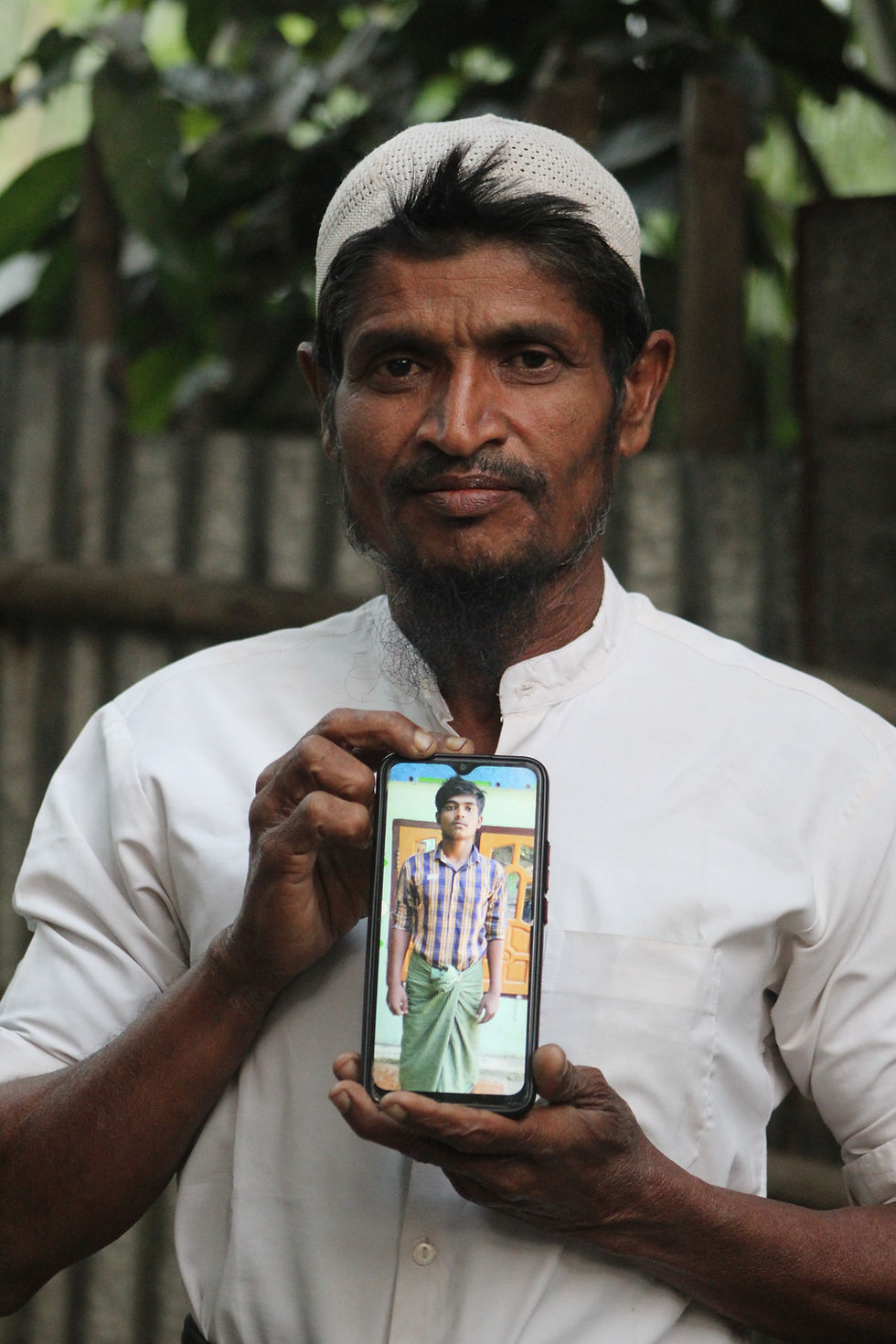
Survivors and Rohingya activists are calling for independent international investigations, accountability for all armed groups involved, and stronger protection for Rohingya refugees who remain vulnerable to trafficking, even after escaping genocide.
“This is not just one story,” Younus said. “This is the story of hundreds who died, and many more who cannot speak.”


So very sad. Your voice does not go unheard, Younus and so many others. Though not enough people hear the plight of Rohingyas, I hope it will change.