
Empower Rohingya Voices Through Cultural Advocacy
- Rohingya Culture advocacy Cent
- Jul 20, 2025
- 4 min read
The Rohingya people have faced immense challenges over the years. Displacement, persecution, and loss of identity are just a few of the struggles they endure. However, amidst these hardships, their rich culture and heritage shine brightly. Empowering Rohingya voices through cultural advocacy is not just about preserving their traditions; it is about giving them a platform to share their stories, experiences, and aspirations.
In this blog post, we will explore the importance of cultural advocacy for the Rohingya community. We will discuss how cultural expression can foster resilience, promote understanding, and ultimately lead to empowerment.
Understanding the Rohingya Identity
The Rohingya are a Muslim ethnic group primarily from Myanmar. They have their own language, customs, and traditions. Unfortunately, they have faced severe discrimination and violence, leading to a mass exodus to neighboring countries.
Understanding their identity is crucial for effective advocacy. The Rohingya culture is rich with unique traditions, music, and art forms. By recognizing and celebrating these aspects, we can help restore a sense of pride and belonging among the Rohingya people.
The Role of Cultural Advocacy
Cultural advocacy plays a vital role in empowering marginalized communities. It involves promoting and preserving cultural heritage while advocating for the rights of the community. For the Rohingya, this means:
Preserving Language: Language is a key part of identity. Efforts to teach and promote the Rohingya language can help younger generations connect with their roots.
Promoting Art and Music: Art and music are powerful forms of expression. They can tell stories, convey emotions, and foster connections. Supporting Rohingya artists and musicians can help amplify their voices.
Celebrating Traditions: Festivals and cultural events are essential for community bonding. Organizing events that celebrate Rohingya traditions can help strengthen their identity and promote understanding among other communities.
Building Bridges Through Cultural Exchange
Cultural exchange is a two-way street. It allows for sharing and learning between different communities. By engaging in cultural exchange, the Rohingya can share their rich heritage while also learning from others.
For example, organizing workshops where Rohingya artisans teach traditional crafts can foster appreciation for their skills. Similarly, inviting non-Rohingya communities to participate in these workshops can promote understanding and empathy.
The Power of Storytelling
Storytelling is a powerful tool for advocacy. It allows individuals to share their experiences and connect with others on a personal level. For the Rohingya, sharing their stories can help humanize their struggles and challenges.
Platforms such as social media, blogs, and community events can be used to share these narratives. By amplifying Rohingya voices, we can challenge stereotypes and misconceptions.
Collaborating with NGOs and Community Organizations
Collaboration is key to effective cultural advocacy. Partnering with non-governmental organizations (NGOs) and community organizations can provide the necessary resources and support for Rohingya cultural initiatives.
These partnerships can help in:
Funding Cultural Programs: Financial support is often needed to organize events, workshops, and exhibitions. Collaborating with NGOs can help secure funding for these initiatives.
Providing Training and Resources: NGOs can offer training in areas such as marketing, social media, and event planning. This can empower the Rohingya community to take charge of their cultural advocacy efforts.
Creating Awareness Campaigns: Joint campaigns can raise awareness about the Rohingya plight and promote their culture. This can help garner support from a wider audience.
Utilizing Digital Platforms for Advocacy
In today's digital age, online platforms offer a unique opportunity for cultural advocacy. Social media, blogs, and websites can be powerful tools for sharing Rohingya culture and stories.
Here are some ways to utilize digital platforms:
Social Media Campaigns: Creating campaigns that highlight Rohingya culture can engage a global audience. Sharing videos, images, and stories can help raise awareness and support.
Online Workshops and Webinars: Hosting virtual events can reach a wider audience. These can include cooking classes, art workshops, or discussions about Rohingya history and culture.
Creating a Dedicated Website: A website dedicated to Rohingya culture can serve as a hub for resources, stories, and events. This can help connect the community and promote their heritage.
The Importance of Education
Education is a powerful tool for empowerment. For the Rohingya, access to education can help break the cycle of poverty and marginalization.
Cultural advocacy can play a role in promoting education by:
Encouraging Cultural Studies: Incorporating Rohingya culture into educational curricula can help foster understanding and respect among students.
Supporting Rohingya Students: Providing scholarships and resources for Rohingya students can help them pursue their education and achieve their goals.
Creating Safe Learning Environments: Advocacy efforts can focus on creating safe spaces for Rohingya children to learn and grow, free from discrimination and fear.
Celebrating Success Stories
Highlighting success stories within the Rohingya community can inspire others and promote a sense of hope. These stories can showcase individuals who have overcome challenges and made significant contributions to their community.
For example, a Rohingya artist who has gained recognition for their work can serve as a role model for younger generations. Sharing these stories can help build a positive narrative around the Rohingya community.
Engaging the Global Community
Cultural advocacy is not just a local effort; it requires global engagement. The international community can play a significant role in supporting Rohingya voices.
Here are some ways to engage the global community:
Advocating for Policy Changes: Global advocacy can push for policy changes that protect the rights of the Rohingya people. This can include lobbying for refugee rights and humanitarian aid.
Supporting International Campaigns: Joining international campaigns that focus on Rohingya issues can amplify their voices and raise awareness.
Encouraging Global Partnerships: Collaborating with international organizations can provide additional resources and support for Rohingya cultural initiatives.
The Road Ahead
Empowering Rohingya voices through cultural advocacy is a journey that requires commitment and collaboration. It is essential to recognize the resilience and strength of the Rohingya community.
By promoting their culture, sharing their stories, and advocating for their rights, we can help create a more inclusive and understanding world.
As we move forward, let us remember that every voice matters. By amplifying the voices of the Rohingya, we can contribute to a brighter future for all.
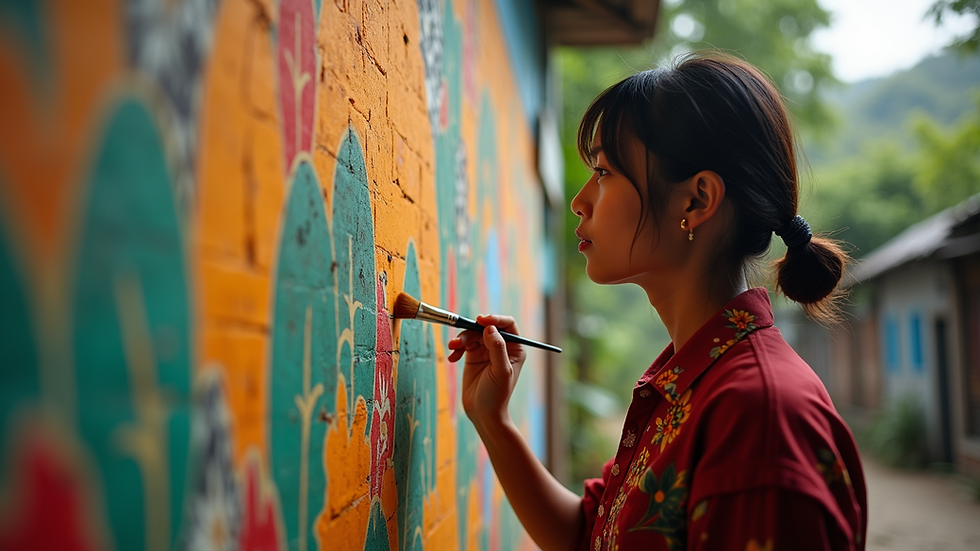
In the end, cultural advocacy is not just about preserving traditions; it is about empowering individuals and communities. It is about creating a space where every voice is heard and valued. Together, we can make a difference and support the Rohingya in their journey toward empowerment and recognition.


Comments